
By Eddie Clark, CEO of Solve iT
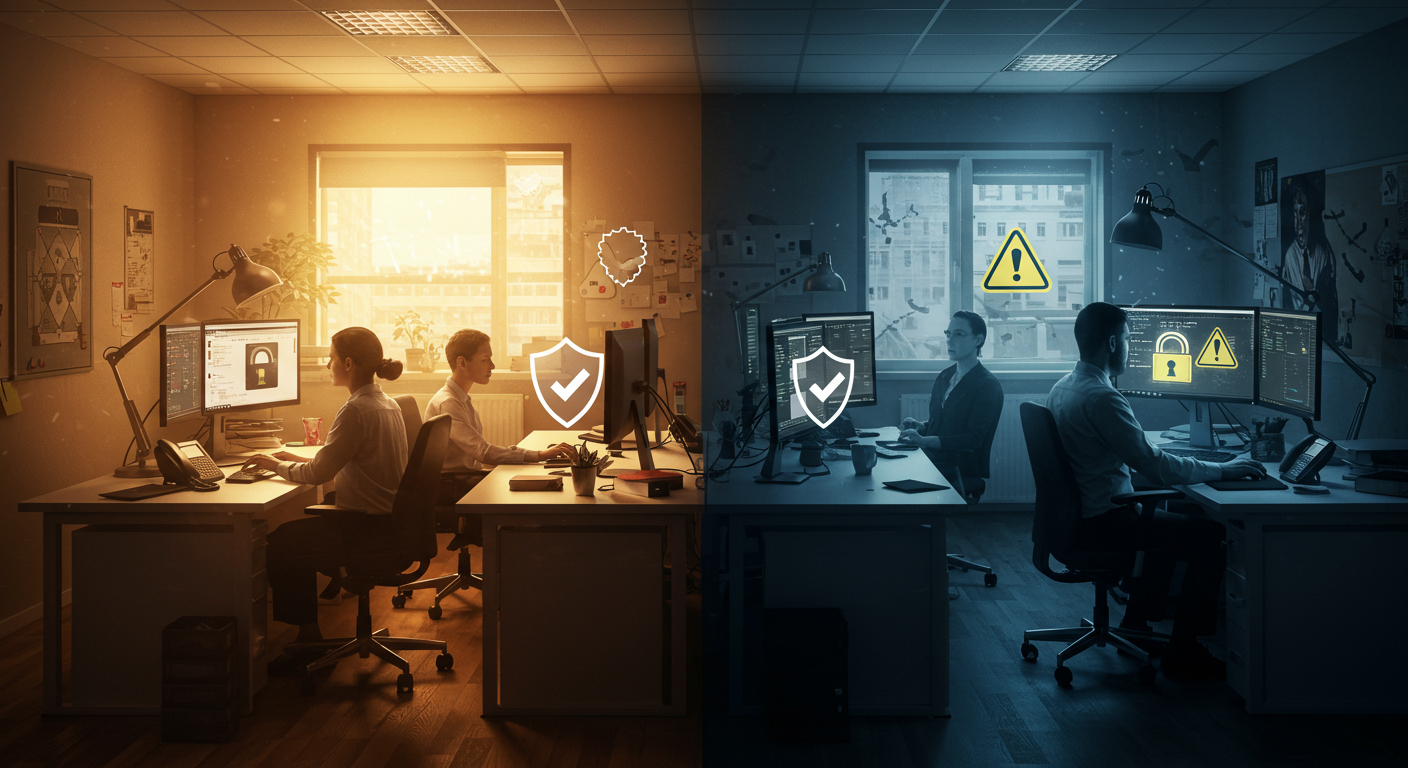
It’s 7:45 AM, and you’re scanning your inbox, replying to a client. You click to attach a file—except the documents aren’t in English. They look like gibberish. You refresh. Same thing. You call IT, but no one picks up. You walk the hall and hear concerned voices. Someone clicked something. Files are locked. Your systems are frozen.
You’ve been hit with ransomware.
You tell the team to power down. Grab coffee. Stay close. But wait. IT is overwhelmed. The phones are quiet. Hours pass before anyone can tell you what’s happening.
- Seventy-five percent of your data? Encrypted.
- Your backups? Compromised.
- The ransom demand? $1 million.
- And your cyber insurance policy? It covers $500,000.
…Now what?
This scenario is fictional, but every element is pulled from real events I’ve helped clients navigate after the fact. Most business owners we speak with don’t realize they’re exposed until it’s too late. And it’s not just big firms. We’ve seen ransomware hit dentists, non-profits, retailers, manufacturers, basically anyone with an email, a server, and a weak spot.
Cyber Insurance and Cybersecurity Must Work Together
Spivey Insurance does a great job helping you understand what your policy covers. But coverage is only part of the equation. Carriers today are asking tougher questions about your IT. If your cybersecurity posture doesn’t meet a minimum standard, you may pay more—or worse—get denied coverage altogether.
That’s where an experienced Managed Service Provider (MSP) makes the difference. At Solve iT, we work with companies to align cybersecurity practices with insurance requirements. We don’t just check boxes. We help build living, evolving security programs that grow with your business.
What Carriers Want to See
If you’re not sure what your insurer looks for, here’s a quick list. These are common checkpoints that affect both your risk exposure and your premium:
- Multi-Factor Authentication (MFA) on all key systems
- Regular, tested backups stored offsite
- Ongoing employee training to prevent phishing
- Modern endpoint protection beyond traditional antivirus
- Email filtering to stop malicious links and attachments
- Patch management to keep systems current
- A documented incident response plan
These aren’t extras anymore. They’re baseline requirements.
Why This Matters for Your Business
A solid cybersecurity program does more than satisfy your insurer. It lowers your chance of an incident, reduces the cost when something does go wrong, and helps your leadership team sleep better at night. You’re not just protecting data; you’re protecting revenue, brand reputation, and your team’s ability to function.
The worst part of a cyberattack isn’t the breach. It’s the confusion and helplessness that follows. That can be prevented.
Start with a Free Threat Assessment
Not sure where your vulnerabilities are? That’s why we offer a no-obligation Cybersecurity Threat Assessment. It includes:
- A phishing simulation
- Dark web credential scan
- Cyber insurance readiness review
- Recommendations prioritized by risk
It’s clear, actionable, and built for business leaders who don’t want fluff—just answers.
Don’t wait for a crisis. Start the conversation today at solveit.rocks/test-drive. If you’re working with Spivey Insurance, you’re already ahead of the curve. Let’s make sure your IT posture matches your insurance plan and help you lower your insurance costs by being as secure as possible.