
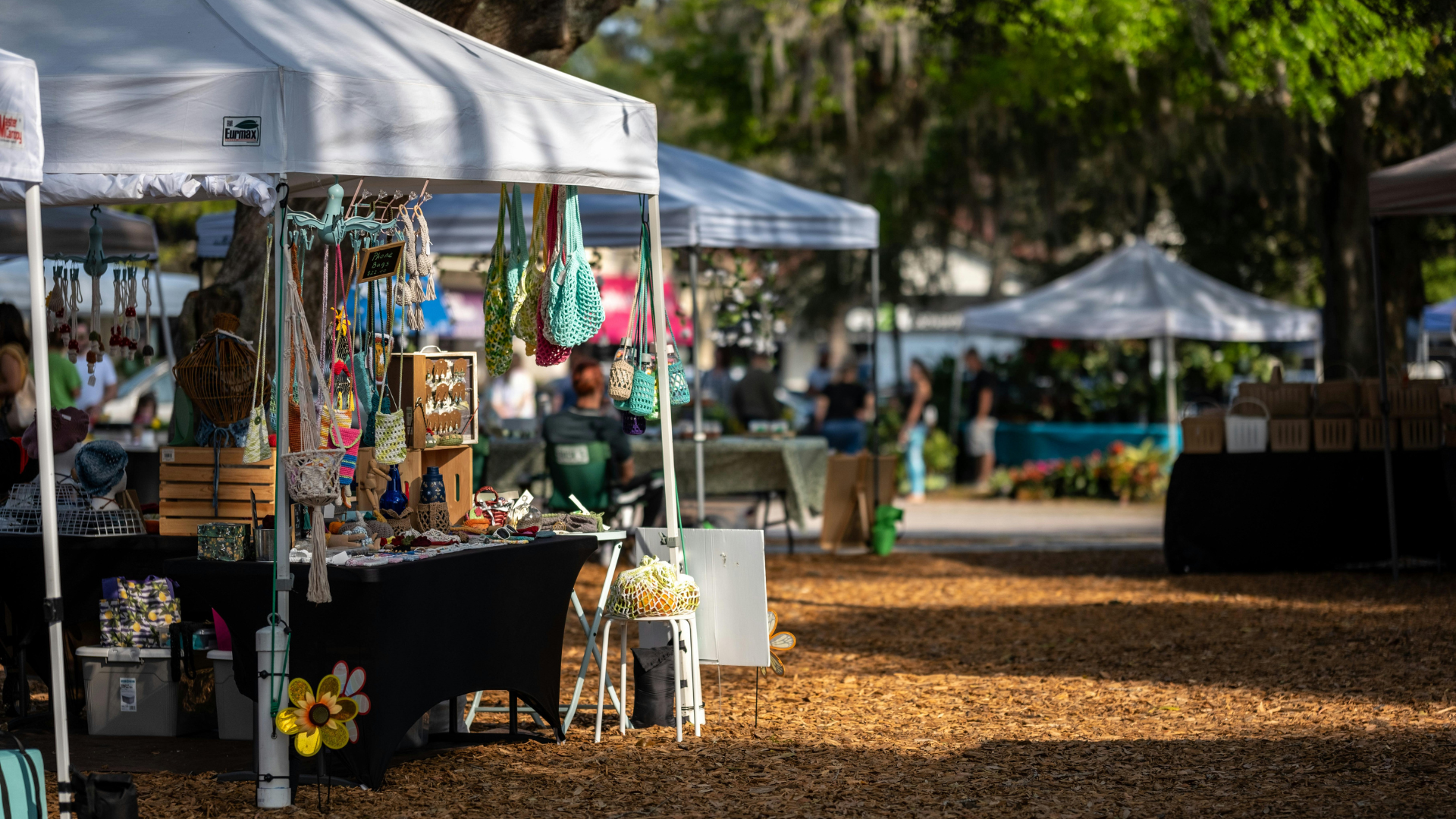
Fun summer events, like fairs, community festivals, and farmer’s markets are incredibly popular. They’re often populated with rented carnival rides, independent craft and antique vendors, and food trucks. Not only do these vendors bring in foot traffic, but they also help pay for the cost of the event, thanks to their table and booth fees.
But what about other expenses for the vendors, like insurance? Many festivals, markets, and carnivals require each vendor to be properly protected. Here’s a breakdown of what you need before your next event.
Why Festivals and Events Require Vendor Insurance
Even though some festivals and events have an “enter at your own risk” type policy written on their tickets, this doesn’t mean that the vendors are protected from all types of incidents. Some of the many things that can occur at a farmer’s market include damage to the property in your booth, slip and fall incidents caused due to tripping hazards or spills, and even worse for those selling food, illnesses like salmonella and E.coli. When things go wrong at a large public event, they can go really wrong.
Not only do the vendors need to protect their own livelihoods, but insurance policies can also keep the event organizers, venue owners, and even the customers from paying for costly medical bills and other expenses out of pocket.
Common Types of Insurance Vendors May Need
Many events require vendors to have insurance in place when they apply for a booth or space. This is often part of the application paperwork, and without those policies, you may not be approved for the event, preventing you from making money off of it.
Thankfully, you have plenty of types of insurance to choose from, including these common types:
General Liability Insurance – Often, event planners only require vendors to have general liability insurance. These policies are designed to protect you from things that you may be liable for, like customer injuries in and around your booth. Other things that a general liability policy can cover consist of legal expenses and repairs for property damage.
Product Liability Insurance – If you sell anything that has the potential to hurt others should something go wrong with it, then you need product liability insurance. These policies are ideal for people who sell cosmetics, wellness products, and handmade items, as well as those who run food trucks. If your product makes someone sick or injures them, this insurance policy can help cover costs.
Workers’ Compensation Insurance – This isn’t applicable to every vendor, but if you have employees, then you need workers’ compensation insurance should one of them get hurt on the job.
Commercial Auto Insurance – Obviously, food trucks need to have a commercial auto insurance policy, but so do mobile vendors and those who transport business equipment. Your standard auto policy won’t pay for damages incurred during business use.
Contact Spivey Insurance
As you can see, vendors at craft fairs, food trucks at carnivals, and people selling their wares at farmer’s markets and concerts, all need to have the right type of insurance protection. If you’re unsure of which types of coverage you need or have questions about coverage amounts, reach out to Spivey Insurance. Our knowledgeable agents can help you find the best policies to protect your business.